Do you manage a business?
Frequent questions
What is electrolysis and how does it work?
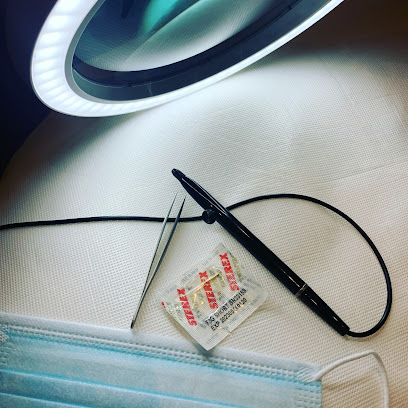
Electrolysis is a method of permanent hair removal that uses an electric current to damage the hair follicle, preventing future growth. A small probe is inserted into the hair follicle, and the current destroys the hair root. Over time, this process leads to the eventual elimination of unwanted hair. It is a safe and effective treatment for both men and women. During a typical electrolysis session, the technician will insert a tiny needle into each hair follicle. The electrical current will then be applied, cauterizing the blood supply to the follicle and preventing hair growth. Multiple sessions may be required for optimal results, as hair grows in different stages. Although temporary redness and swelling may occur after the treatment, these side effects usually subside within a few hours. With each session, the hair in the treated area will become finer and eventually stop growing altogether, leading to long-lasting results.
Who is a good candidate for electrolysis?
People who are looking for a permanent solution to unwanted hair growth are ideal candidates for electrolysis. This treatment is suitable for all skin types and hair colors, unlike other hair removal methods. It is also safe for use on any part of the body, including the face, arms, legs, and bikini area. Individuals with light-colored or fine hair that may not respond well to laser hair removal can benefit from electrolysis. Those who have experienced side effects from other hair removal methods, such as ingrown hairs or irritation, may also find relief with electrolysis. If you are pregnant or have a pacemaker, you should consult with your healthcare provider before undergoing electrolysis. Additionally, it is essential to avoid sun exposure and self-tanning products before and after treatment to minimize the risk of side effects.
Is electrolysis painful and are there any risks involved?
While electrolysis may cause some discomfort, many clients describe it as a tolerable sensation, similar to a quick pricking or stinging feeling. The pain level can vary depending on the individual's pain threshold, the treatment area, and the technician's skill. Some areas of the body may be more sensitive than others. The risk of side effects from electrolysis is minimal when performed by a trained and experienced professional. However, there is a possibility of temporary redness, swelling, and slight scabbing immediately after the treatment. In rare cases, infection or scarring may occur if proper aftercare instructions are not followed. To minimize any discomfort or potential risks, it is essential to choose a reputable electrolysis provider and follow their pre and post-treatment guidelines carefully. If you have any concerns or experience any unusual symptoms after treatment, be sure to contact your technician for further guidance.
How many electrolysis sessions are needed to see results?
The number of electrolysis sessions required to achieve permanent hair removal varies depending on several factors, including the density of hair in the treatment area, the hair growth cycle, and individual skin type. On average, most clients will need multiple sessions to achieve the desired results. Initially, electrolysis treatments are typically scheduled weekly or bi-weekly to target hairs in their active growth phase. As the treatment progresses, the frequency of sessions may decrease, and maintenance sessions may be required to treat any new hair growth. It is crucial to follow the recommended treatment plan for optimal outcomes. Patient adherence to the treatment schedule and consistency in attending sessions are critical for successful electrolysis results. Your technician will assess your progress during each visit and make any necessary adjustments to ensure that you are on track to achieving smooth and hair-free skin.
 #1